
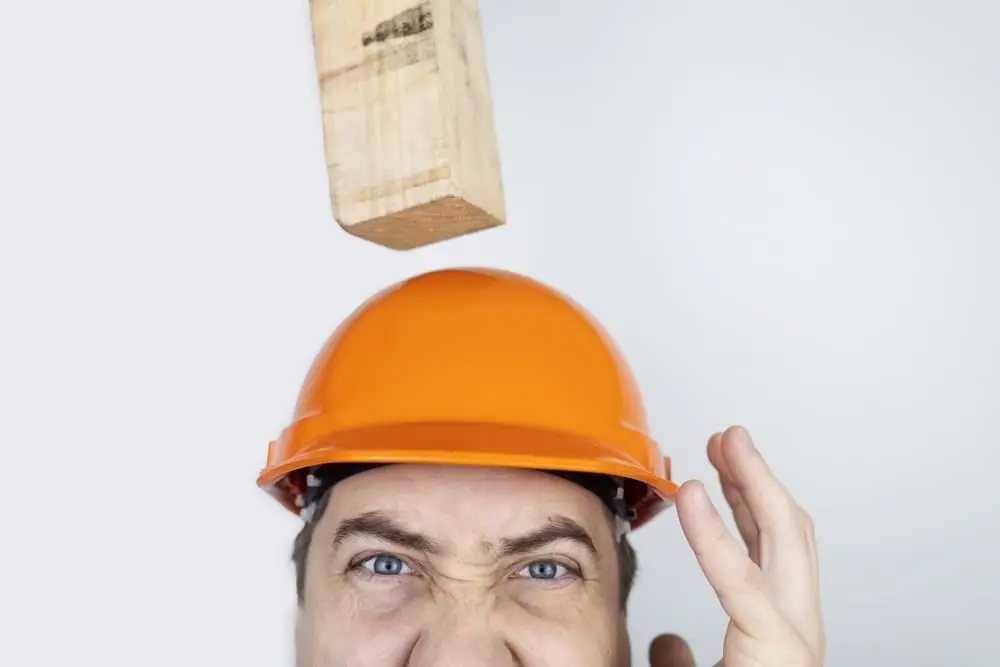
If you’re a New York construction worker, you might be familiar with the Scaffold Law, which requires worksites to meet strict safety standards for elevation-related hazards. The Scaffold Law is most commonly referenced after accidents involving workers falling from heights. But you may not realize it also applies to accidents resulting from falling objects.
If you were struck by a falling object on a construction site, you may have certain protections under this law. A scaffold accident lawyer in New York can review your case and help you understand your legal rights and options.
Understanding New York’s Scaffold Law (Labor Law Section 240)
Labor Law Section 240, or the Scaffold Law, protects New York workers who work at heights or face gravity-related hazards. It holds owners, contractors, or their agents strictly liable for injuries workers suffer when they fall or are struck by falling objects because required safety devices are missing or defective.
The law lists specific safety devices required when working at heights. For example, scaffolding more than 20 feet off the ground must have a properly attached safety railing at least 34 inches high. Scaffolding must also be able to bear four times the maximum weight required of it when in use.
Other safety devices prevent workers from dropping tools and materials on workers below. Guardrails and safety nets are required for certain elevated platforms to stop tools and materials from sliding over the edge. Hoists and pulleys must also be properly constructed to lift heavy materials safely without dropping loads.
OSHA reports that being struck by an object is one of the “Fatal Four” hazards, which are the leading causes of worker deaths in the construction industry. It accounts for about 8% of construction fatalities. The International Safety Equipment Association also cites approximately 45,000 workplace injuries each year due to being “struck by a falling object” specifically.
Falling objects are serious hazards on construction sites, which is why careful adherence to the Scaffold Law is a life-preserving measure.
When Might You Have a Scaffold Law Case After a Falling Object Injury?
The Scaffold Law imposes absolute liability on owners and contractors for certain gravity-related incidents, which means you may have a case even if you partially contributed to your own accident. But your accident must still meet certain criteria to support a Scaffold Law claim.
First, you must show that the object fell from a height because a safety device, like those listed in the statute, was missing or inadequate. For example, a safety net could rip and allow a tool it was holding to fall on you. Or the hoist or pulley used to haul heavy materials could fail, causing the materials to fall.
Additionally, you must have been performing a covered work activity when the accident happened. These activities include:
- Construction
- Demolition
- Repair
- Alteration
- Painting
- Cleaning
To file a Scaffold Law claim, you must also tie the falling object directly to your injuries. If anyone witnessed the accident or security camera footage captured it, that evidence can help support your claim.
Exceptions Where the Scaffold Law May Not Apply to Falling Object Injuries
Falling-object injuries alone are not enough to establish liability under the Scaffold Law. In certain cases, this law may not apply.
- Same-level incidents: When objects fall onto a worker from a ground level, the incident may not meet Scaffold Law standards. This law generally applies to accidents involving an elevation differential.
- One- and two-family dwellings: You generally cannot hold the owner of a single-family or two-family dwelling liable for accidents if they contract the work but do not direct or control the methods.
- Sole proximate cause: If an adequate safety device was available and you knew you were expected to use it, yet made an unreasonable choice not to, and this caused your injury, you may not have a claim due to sole proximate cause standards.
The Scaffold Law is nuanced, and an experienced New York scaffold accident lawyer can help you understand whether it may apply to your accident case.
Options for Pursuing Compensation After a Falling Object Injury
Workers who are injured on the job generally qualify for workers’ compensation. This benefit can reimburse you for a portion of your lost wages and applicable medical expenses. You don’t need to prove fault or negligence to qualify, and you may still be eligible even if you were technically responsible for your own accident.
If you can hold a party liable for your accident under the Scaffold Law, you may be able to pursue a personal injury lawsuit against them. You could seek full financial compensation, including the damages workers’ compensation might not cover, such as:
- Full lost wages
- Future medical care
- Pain and suffering
If you want to file a personal injury lawsuit in New York, you generally must do so within three years of the accident date.
Consult a Scaffold Accident Lawyer in New York City
Establishing scaffolding accident liability requires in-depth knowledge of this statute and compelling evidence from your accident. At Dervishi Law Group, P.C., we help injured construction workers move forward through legal support and representation. Contact us today at 718-484-4757 for a free consultation with an NYC scaffold accident lawyer.
Frequently Asked Questions
Is fall protection required on scaffolding?
Yes, the Scaffold Law requires fall protection on scaffolding. This fall protection may include guardrail systems or personal fall arrest systems.
What does absolute liability mean in New York’s Scaffold Law?
Absolute liability means property owners and general contractors are legally responsible for gravity-related injuries regardless of whether they were negligent or careless. An injured worker does not need to show a contractor or owner acted improperly to have a claim. Additionally, New York’s usual comparative negligence rules do not apply.
What are the most common scaffolding violations?
Common scaffolding violations in New York include lack of fall protection, improper platform construction, and unsafe access, which can lead to severe injuries. Contact a scaffold accident lawyer if you were injured due to these or other violations.