
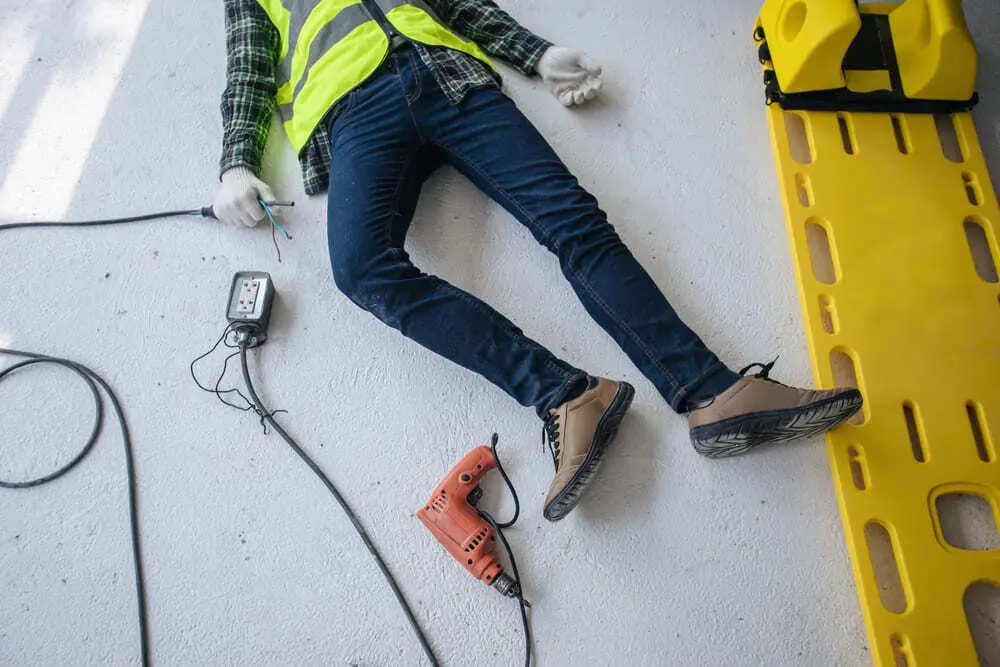
Electrical injuries on a job site may leave workers with burns, nerve damage, heart rhythm problems that require monitoring, and other effects. More than one party on that site might have owed you a duty of care, and a construction accident lawyer in New York may be able to help you sort out which ones. In this guide, Dervishi Law Group, P.C.’s New York construction accident lawyers will explain what injured workers should know.
How a Construction Site Electrocution Can Happen
Live current may travel through anything that conducts it, including a ladder or a wet glove. With this in mind, construction site electrical accidents can trace back to many different shortcuts that parties take, and electrical safety violations show up again and again in these cases. A crew skips lockout and tagout, leaving a machine energized during maintenance, or a subcontractor grounds a panel improperly. These are just a few examples.
Workplace electrical accidents may also arise from the conditions on the site. Cluttered work areas can bring workers into contact with exposed wiring, while standing water can raise the area’s conductivity. Missing insulated gloves or ground-fault circuit interrupters also remove an important layer of protection that might otherwise avert on-site electrical accidents.
These patterns can increase risks of injury:
- Nearby overhead power lines: Crane booms and scaffolds bring workers within arcing distance of energized lines.
- Exposed wiring: Frayed cords or uncovered conductors can put live current within arm’s reach.
- Improper grounding: A faulty grounding system removes the safe path that current should follow.
- Defective tools: Broken power tools or failing breakers may create unseen hazards.
- Missing lockout steps: Machinery should not remain energized while someone works on it.
Rain and damp concrete can also turn a minor shock into a more severe injury.
Common Injuries That New York Construction Accident Lawyers Hear About in Electrical Cases
Electrical injuries may hide their full extent, as the entry and exit wounds on your skin may look small while the current has damaged muscle, nerves, or organs. Deep tissue burns can require repeated surgeries and skin grafts, while nerve damage may linger. Workers also describe numbness or weakness, with some facing chronic pain that changes what they can do on a job site.
Psychologically, many workers report anxiety about returning to the same equipment. They may have flashbacks and trouble sleeping, which could require treatment to manage. A New York construction accident lawyer will likely advise documenting all of these details so that you can document the full impact of the injury and how it affected your life.
Who Is Liable After a Construction Accident in NY?
Construction accident liability in New York generally follows control and duty. An owner who knew about dangerous wiring and left it alone may be held liable for an associated injury. A general contractor who never inspected the temporary power setup may also be responsible.
Electrical subcontractors can create hazards directly through faulty installation or sloppy wiring jobs. Manufacturers may face product claims when a breaker or tool fails. Utility companies can also share fault when poorly maintained lines or transformers contributed to the contact that caused the injury.
Several parties can share the blame in the same accident. In certain situations, an overlap may widen the pool of insurance available to cover your losses after a work injury. With this in mind, it’s important to investigate all potential avenues.
What a Construction Accident Attorney in New York May Review Under the Labor Law
According to the New York City Health Department, OSHA cited willful violations in 13% of the construction investigations reviewed in the city. A willful violation means the employer knew about a hazardous condition and left it in place anyway.
New York Labor Law gives construction workers a strong footing. Section 241(6) requires owners and general contractors to follow specific rules in the state Industrial Code, including regulations around temporary wiring and protection for workers near energized equipment. Section 200 covers the general duty to keep a worksite reasonably safe, and what must be proved depends on whether the injury arose from a site condition or how the work was performed.
The statute also carries narrower provisions like Section 202, which sets safety requirements for crews cleaning windows and exterior surfaces of public buildings. These laws may apply if the accident happened during the course of those tasks. Comparative fault applies to many personal injury claims, too, so if you share some responsibility, the court may reduce your damages by the same proportion.
Workers’ Compensation and Third-Party Liability Considerations
According to the U.S. Bureau of Labor Statistics, private employers in New York reported 122,400 nonfatal workplace injuries and illnesses in 2024. The same report shows that 71,600 of those cases involved days away from work, a job transfer, or restricted duty. With this in mind, pursuing maximum compensation is often the goal for injured workers.
Workers’ compensation in New York exists to pay injured workers regardless of who caused the accident. When applicable, it covers medical treatment and part of your lost wages. In exchange, the system blocks lawsuits against your own employer. A third-party liability claim, however, may run alongside those benefits to reach companies outside of your employment, depending on case details.
A third-party claim can cover pain and suffering, the full value of your lost earning capacity, and future treatment that workers’ comp will not pay for. New York may allow you to sue an employer directly if they carry no workers’ compensation insurance or have intentionally caused the harm. A New York construction accident lawyer can help you decide how those types of details may shape your case.
When To Call a Construction Injury Lawyer in NYC
Consider reaching out to an attorney as soon as your treatment allows. A construction injury lawyer in NYC can send preservation letters before a contractor rewires the panel, replaces the cord, or files the site safety plan away. Evidence like photographs, maintenance logs, training records, and coworker statements often carry weight in these cases.
You must notify your employer in writing within 30 days. New York generally allows three years for a personal injury lawsuit, though a claim involving a city or state property owner can require notice within 90 days. It is also wise to speak with your own attorney before you give a recorded statement to an insurer or a defense investigator.
Dervishi Law Group, P.C., Can Review Your Electrical Injury Case in New York
For more information on construction workers’ rights, view our guide. For representation from a New York construction accident lawyer, call Dervishi Law Group, P.C., at (718) 484-4757.
Frequently Asked Questions
Here are common questions from workers who have had an electrical accident.
Can I Sue My Employer After an Electrical Accident at Work?
You usually cannot sue your employer after an electrical accident at work because workers’ compensation bars those situations in New York. A third-party claim may still apply.
What Should I Do Immediately After an Electrical Shock on Site?
If you have been shocked, seek medical care right away, even if you feel steady. If you can, photograph the equipment and conditions. You should also report the accident to your supervisor, and if possible, follow that up with a notification in writing.
What Does a New York Construction Accident Lawyer Do in an Electrocution Case?
A New York construction accident lawyer can investigate the site conditions and identify potentially liable parties in your claim.